Selective and Interior Demolition Explained
Most demolition in a built-out city isn't a whole building coming down. It is a tenant space stripped to the shell, a wall opened up, or a floor removed while the rest of the building stays in service.
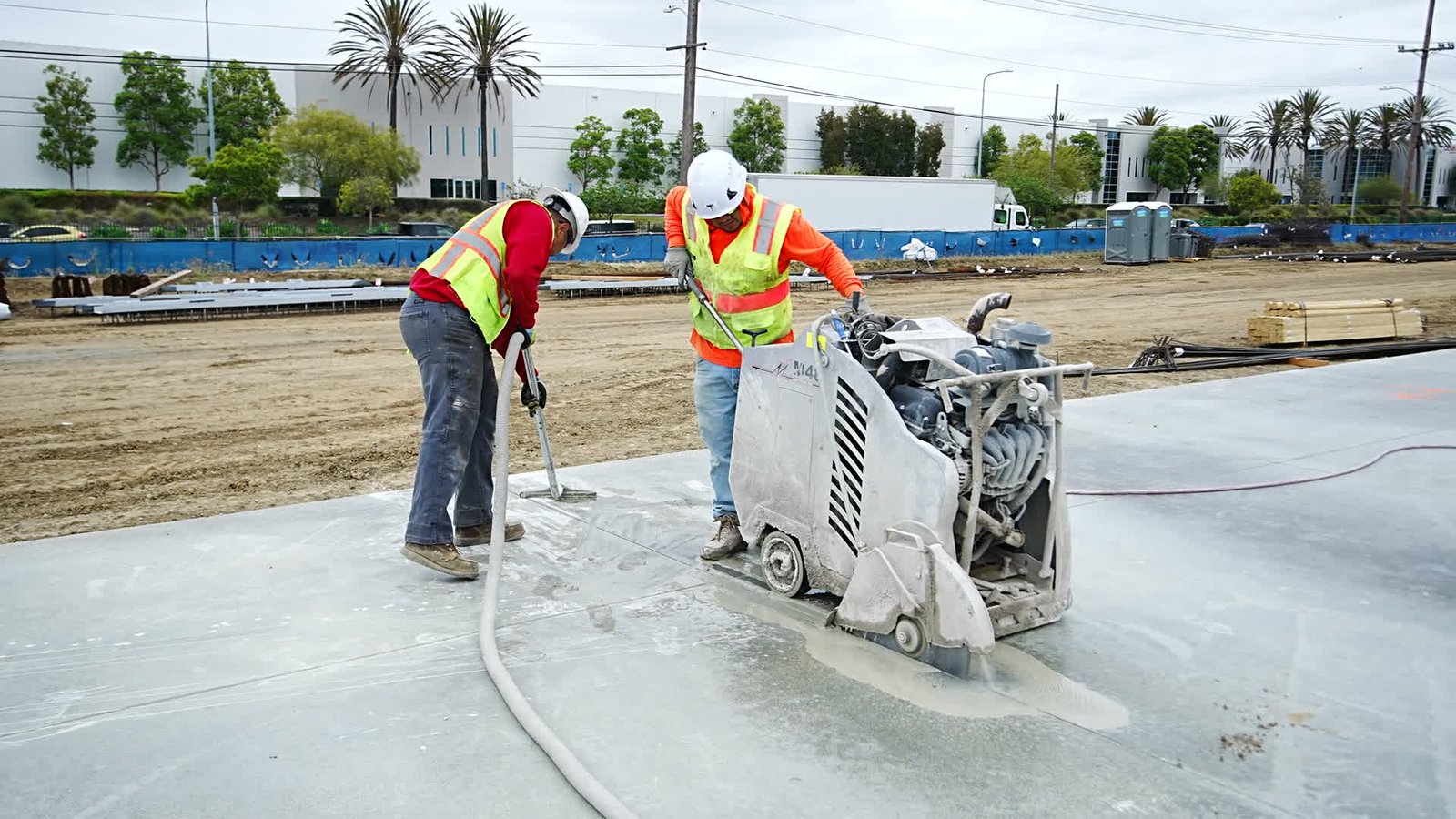
Most demolition in a built-out city isn't a whole building coming down. It is a tenant space stripped to the shell, a wall opened up, or a floor removed while the rest of the building stays in service.
Interior demolition removes non-structural elements inside a building: ceilings, partitions, flooring, casework, fixtures and finishes. It is the first step in most tenant improvements and remodels.
Soft strip is the removal of finishes and non-structural materials before heavier work begins, either before a full demolition or as the whole scope of a renovation. Separating those materials early is what makes recycling and salvage possible.
Selective demolition removes specific parts of a structure while protecting the rest: a section of slab for new plumbing, an opening in a concrete wall, a mezzanine, a stair, or an addition. It often combines saw cutting, core drilling and controlled breaking.
A full building demolition can work fast with large equipment because nothing on site needs protecting. Selective work is the opposite: what stays matters as much as what goes. Cuts follow the drawings exactly, vibration and dust are controlled, structural elements may need temporary shoring, and the work has to fit around other trades and sometimes around building occupants.
Retail centers, offices, hospitals and schools often stay open during demolition next door. That means dust barriers and negative air where needed, wet cutting to control silica, slurry containment, noise-sensitive scheduling or night work, and a clean, secured work area at the end of every shift. Planning those details up front is what keeps neighboring tenants open and complaint-free.
Selective and interior demolition generate mixed debris. Separating metals, concrete and clean wood at the source lowers disposal costs and helps meet CALGreen construction waste diversion requirements that many California jurisdictions enforce on permitted projects.
DSI self-performs interior strip-out, slab trenching, wall sawing, core drilling, breaking and haul-off, so a GC has one sub for the whole demolition and concrete scope. Our labor crews handle strip-out and debris loading. We work across the Inland Empire and Southern California and statewide on larger projects.
Published by Demolition Specialist Inc., Riverside, CA (Lic. #936886), October 2026. General information, not engineering or legal advice; confirm requirements with your engineer, building department and air district.
Call or submit your scope — we respond within one business day.